Blog
How AI Is Changing the Future of Digital Marketing
Blog
How AI Is Changing the Future of Digital Marketing
Artificial Intelligence (AI) is one of the most pivotal and transformative innovations in the quickly changing digital age. AI has introduced a new era of hyper-personalized, data-driven marketing strategies…
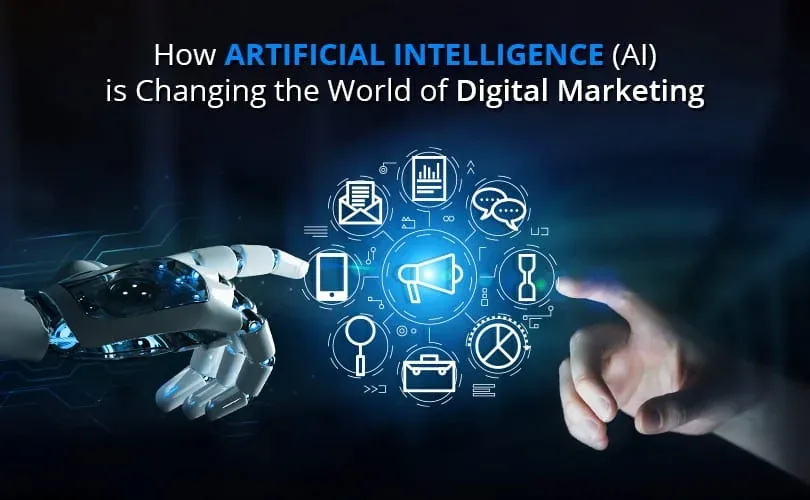
Artificial Intelligence (AI) is one of the most pivotal and transformative innovations in the quickly changing digital age. AI has introduced a new era of hyper-personalized, data-driven marketing strategies, affecting everything from how we search online to how brands comprehend and interact with the consumers. AI, which was once seen as a futuristic ideal, is now a key component of the marketing toolkit, changing everything from analytics and advertising to content production and customer support.
The use of AI in digital marketing is becoming more and more of a paradigm shift as the 2020s go on. Brands that can use AI to innovate, predict customer needs, and provide smooth, user-friendly experiences will increasingly shape the future of digital marketing. In this blog, we examine how artificial intelligence (AI) is transforming digital marketing, its business ramifications, and the knowledge that marketers must possess to remain competitive.
1. Personalization at Scale: The New Gold Standard
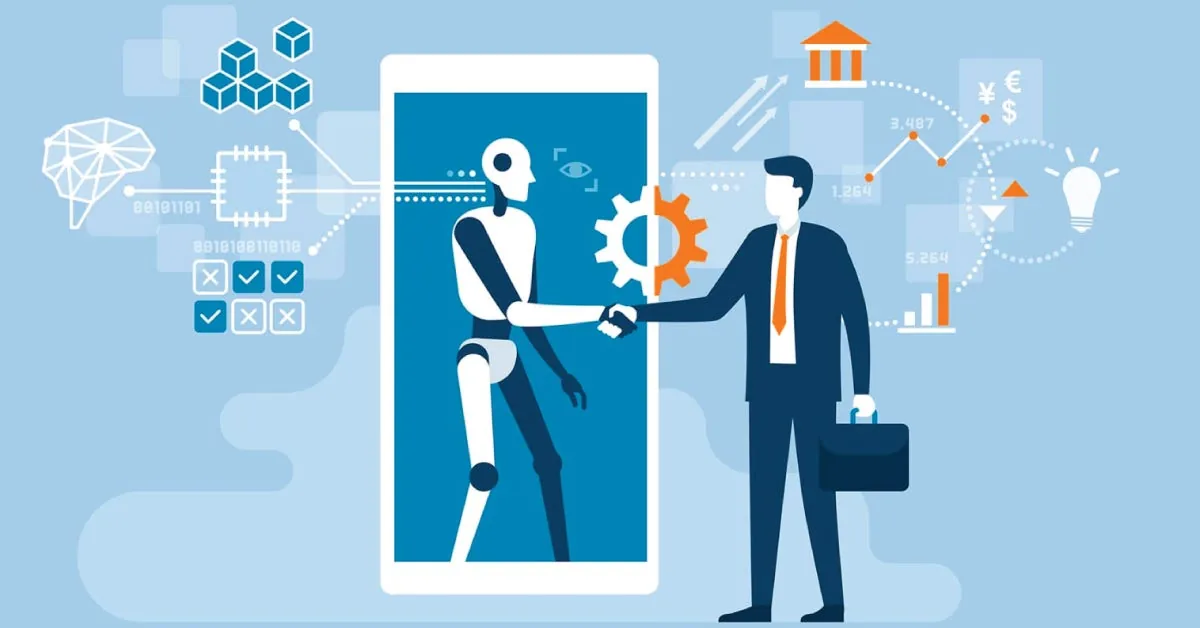
AI's capacity to provide personalisation on a never-before-seen scale is among its most revolutionary contributions to digital marketing. AI-driven micro-segmentation, which makes use of behavioural data, past purchases, browsing trends, and even real-time actions, is quickly replacing traditional demographic-based segmentation.
Recommendation engines driven by AI, like those employed by Amazon, Netflix, and Spotify, examine enormous volumes of user data to make recommendations for goods, entertainment, or experiences that feel specially catered to each individual. Conversion rates are greatly increased and user engagement is improved by this degree of personalisation.
This requires a shift away from one-size-fits-all marketing strategies. AI makes it possible to customise each email, website visit, and ad impression to appeal to specific preferences, establishing a feeling of closeness and relevance that encourages brand loyalty.
2. Smarter Content Creation and Curation
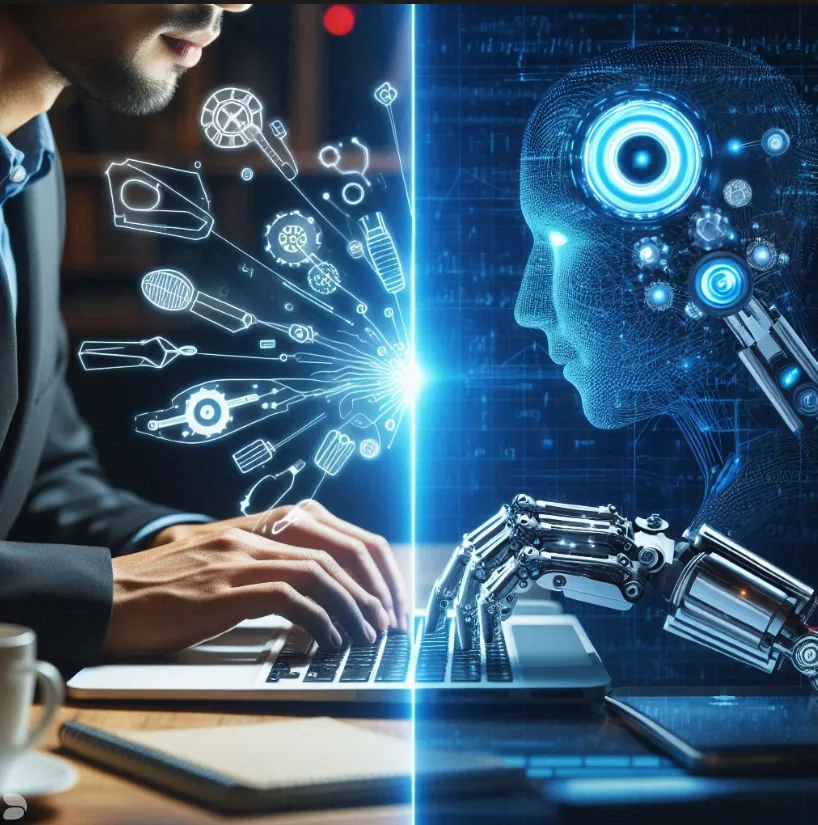
Digital marketing has always revolved around content, but artificial intelligence is changing the way that content is produced, optimised, and shared. Marketers can create excellent blog posts, ad copy, video scripts, and social media content in a matter of minutes with the help of programs like OpenAI's ChatGPT, Jasper, and Copy.ai.
However, AI aids in the curation and optimisation of content in addition to its creation. AI systems can recommend topics, keywords, and formats that are more likely to engage by examining which kinds of content work best for various audience segments. Algorithms for natural language processing (NLP) also make sure that content fits the context and tone of the brand.
Additionally, AI can help with dynamic content generation, in which the content of emails or websites is modified according to user preferences or behaviour. This results in a more flexible experience that boosts conversion rates and keeps users interested for longer.
3. Predictive Analytics: Marketing with Foresight
With the help of machine learning algorithms, predictive analytics enables marketers to make remarkably accurate predictions about future consumer behaviour. AI can predict what a customer is likely to do next, such as making a purchase, leaving a cart, or unsubscribing from a service, by looking at patterns in both historical and real-time data.
Proactive marketing tactics are made possible by this predictive power. For instance, a brand can step in with a tailored retention offer if AI determines that a customer is likely to leave. Targeted promotions can be implemented immediately if a customer indicates interest in a specific product category.
By guaranteeing prompt, pertinent communication, such predictive insights not only increase marketing ROI but also boost customer satisfaction. Brands that are able to master this foresight will dominate in terms of lifetime value and customer retention.
4. Chatbots and Conversational AI: The New Front Line of Engagement
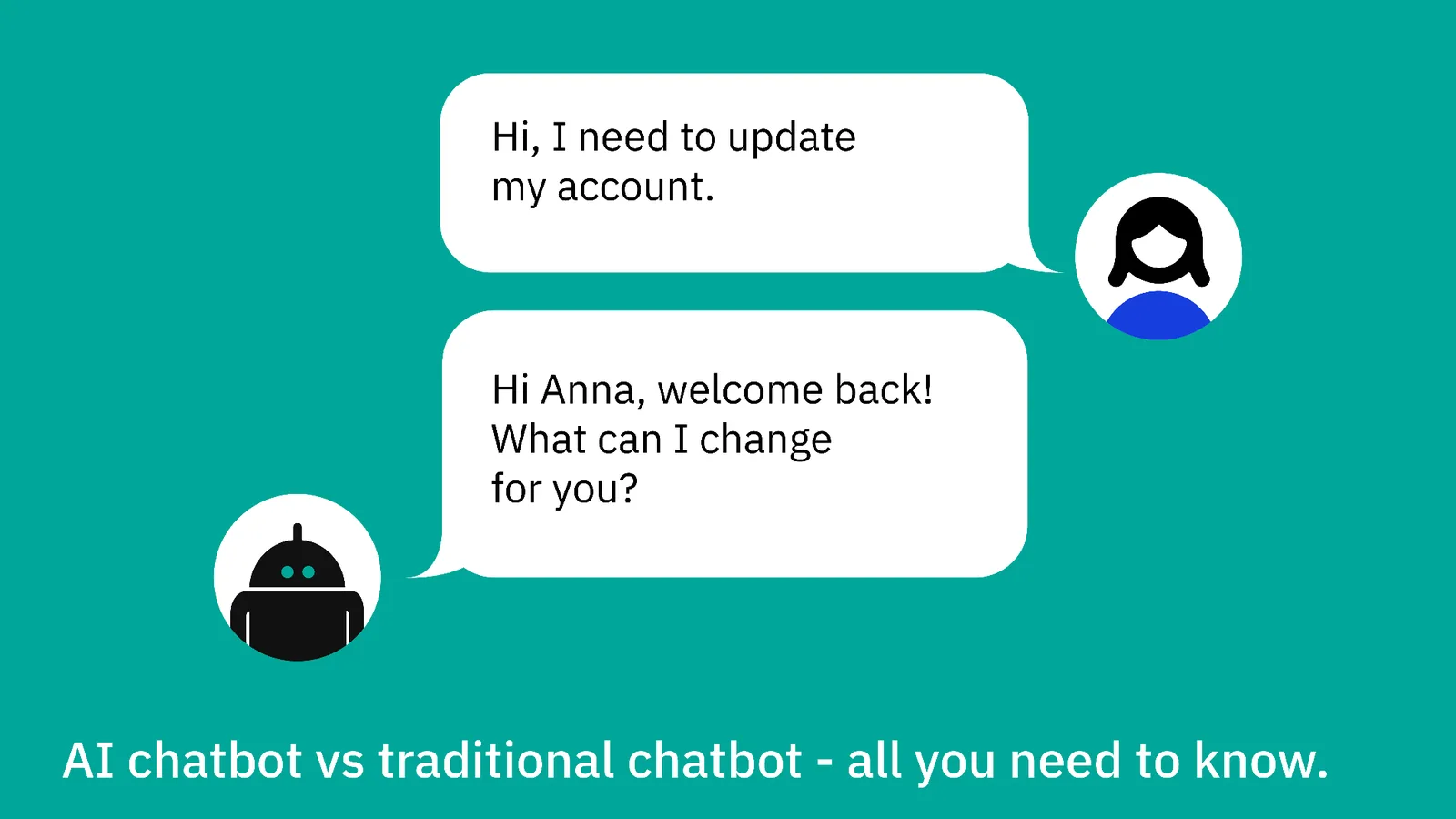
From their awkward, rule-based beginnings, AI-powered chatbots have undergone a significant evolution. Modern bots can have smooth, human-like conversations on websites, apps, and messaging platforms thanks to sophisticated natural language processing and machine learning.
With their ability to handle everything from product enquiries to appointment scheduling—around-the-clock—these conversational agents are quickly emerging as the front-line of customer service. Modern chatbots are more than just cost-cutting devices; they improve customer experiences by giving prompt answers, cutting down on wait times, and making insightful suggestions.
Additionally, AI chatbots keep learning from interactions, which helps them become better and more capable over time. They are an essential touchpoint for marketers, helping users navigate the sales funnel and collecting useful information about consumer preferences and behaviour.
5. AI in Advertising: Smarter Targeting and Budget Optimization
AI is also having a significant impact on digital advertising. AI has already been adopted by platforms such as Google Ads and Meta Ads for audience targeting, performance optimisation, and automated bidding. However, AI is playing an increasingly complex role in advertising.
To find the best advertisement to display to the right person at the right time, artificial intelligence (AI) algorithms can instantly evaluate thousands of variables, including user behaviour, device type, location, time of day, and content interaction. Campaign efficacy is increased and wasted ad spend is decreased with this degree of precision targeting.
Another frontier is creative optimization. In real time, AI can test and refine various iterations of headlines, calls-to-action, and ad creatives to determine which ones work best for various audiences. This enables marketers to effectively scale campaigns while preserving engagement and relevance.
6. Voice and Visual Search: Redefining Discovery
Voice search is altering how people find information as voice assistants like Siri, Alexa, and Google Assistant become commonplace in homes. Due to AI's significant contribution to the interpretation and response of natural language queries, marketers must reconsider their SEO tactics in order to concentrate on conversational, long-tail keywords.
At the same time, visual search tools that use AI-driven image recognition are becoming more popular. Users can search with images rather than words on sites like Google Lens and Pinterest. This creates new channels for e-commerce brands to find and buy products.
Meeting customers where they are and how they prefer to interact is more important than merely increasing visibility when optimising for voice and visual search. In a search environment that is becoming more and more multimodal, brands that use these AI-powered discovery tools will remain relevant.
7. Sentiment Analysis and Social Listening: Tapping Into Customer Emotions
Building solid brand relationships requires an understanding of consumer sentiment. Artificial intelligence (AI)-powered sentiment analysis tools look for positive, negative, or neutral emotional tones in social media, reviews, forums, and customer feedback.
Marketers can obtain real-time insights into public perception by tracking brand mentions and examining the tone behind them. This makes it possible to identify brand advocates, respond to crises more quickly, and develop better products.
AI can also divide audiences into sentiment-based groups and adjust offers and messaging accordingly. For instance, a customer who complains might be given an apology and a discount, and a happy customer might be urged to write a review or recommend the business.
8. Fraud Detection and Enhanced Security
Data is becoming more and more important in digital marketing, so protecting its security and integrity is crucial. By identifying questionable patterns of behaviour in real time, artificial intelligence is assisting marketers in the fight against ad fraud, click fraud, and data breaches.
By detecting irregularities that might point to fraudulent clicks, bot traffic, or illegal access, machine learning models can safeguard campaign effectiveness and consumer confidence. AI-driven security solutions provide an additional line of defence against online attacks for companies that handle private user information.
The significance of ethical data practices, transparency, and adherence to privacy regulations such as the CCPA and GDPR is emphasised by this trend.
9. Marketing Automation: Efficiency Meets Intelligence
Although marketing automation is not new, it has reached new heights since AI was introduced. AI-powered automation solutions are able to customise workflows, handle intricate customer journeys, and modify campaigns in response to user behaviour.
AI can, for example, write subject lines that are optimised for open rates, recommend content based on engagement history, and even decide when it is best to send emails. This improves campaign efficacy while lowering manual labour.
Instead of displacing marketers, automation will enable them to concentrate on strategy, creativity, and narrative, with AI managing the complexities of execution.
10. Ethical AI and the Human Element
Concerns regarding ethics, bias, and transparency are becoming more significant as AI continues to dominate digital marketing. Consumer trust and brand reputation can be harmed by biassed algorithms, data misuse, and opaque decision-making procedures.
Marketers need to make sure AI tools are used responsibly, striking a balance between human oversight and data-driven precision and automation and empathy. The most successful brands will be those that prioritise the integrity and well-being of their customers by fusing technological innovation with a strong sense of ethics.
Conclusion: The Future Is AI-Enhanced, Not AI-Dependent
AI is radically changing the field of digital marketing; it is not merely a fad. AI provides strong tools that enable brands to interact more successfully, economically, and morally, from automation and security to personalisation and predictive analytics.
But in the future of digital marketing, machines will enhance human creativity and insight rather than replace them. Marketers will be in a better position to create experiences that are meaningful, data-driven, and sympathetic if they embrace AI as a partner rather than a rival.
One thing is certain as we look to the future: the leaders of the digital marketing revolution will be those who can effectively combine AI and human creativity.
Client Background: Stellar Shots Videography is a boutique videography studio specializing in capturing memorable moments through cinematic storytelling. With a team of skilled videographers and editors, Stellar Shots has earned a reputation for delivering high-quality videos for weddings, events, and corporate projects. However, despite its exceptional work, the studio faced challenges in effectively showcasing its portfolio and attracting new clients through its website.
Challenge: As visual storytellers, Stellar Shots understood the importance of captivating content in conveying their brand identity and expertise. However, the studio struggled to translate its creativity and passion into compelling written content for its website. The challenge was to revamp the website's content to better reflect Stellar Shots' brand voice, showcase its portfolio, and attract potential clients.
Solution: The content writing team at Creative Captions collaborated closely with Stellar Shots to craft engaging and persuasive content for its portfolio website. The following strategies were implemented:
Discovery and Brand Voice Development:
Conducted a discovery session to understand Stellar Shots' brand values, target audience, and unique selling points.
Developed a brand voice and tone that aligned with Stellar Shots' creative and professional approach to videography.
Portfolio Showcase:
Highlighted Stellar Shots' portfolio of work through captivating descriptions and storytelling, emphasizing the emotions and narratives captured in each video.
Organized the portfolio into distinct categories, such as weddings, events, and corporate projects, to make it easy for visitors to navigate and explore.
Service Descriptions:
Crafted concise and compelling descriptions of Stellar Shots' videography services, emphasizing the studio's expertise, equipment, and commitment to quality.
Clearly outlined the benefits of hiring Stellar Shots for different types of projects, addressing common client concerns and objectives.
Client Testimonials and Success Stories:
Incorporated testimonials and success stories from satisfied clients to provide social proof and build credibility.
Highlighted specific projects and outcomes to demonstrate Stellar Shots' ability to meet and exceed client expectations.
Results:
Stellar Shots Videography saw a 40% increase in website traffic within the first month of launching the revamped content.
Visitor engagement metrics, including time spent on page and bounce rate, improved significantly, indicating a positive user experience and increased interest in Stellar Shots' services.
The studio received an influx of inquiries and leads from potential clients impressed by the storytelling and professionalism showcased in the website's content.
Stellar Shots' brand perception and credibility received a boost, with existing clients and industry peers praising the website's content and messaging.
Testimonial: "Creative Captions did an amazing job capturing the essence of our videography studio through their writing. The content on our website now perfectly reflects our brand identity and the quality of our work. We've received numerous compliments from clients and prospects, and our business has seen tangible growth as a result."
Emily Lawson, Founder of Stellar Shots Videography
This case study demonstrates how Stellar Shots Videography collaborated with Creative Captions to transform its website's content, effectively showcasing its portfolio and attracting new clients in the competitive videography industry.
Artificial Intelligence (AI) is one of the most pivotal and transformative innovations in the quickly changing digital age. AI has introduced a new era of hyper-personalized, data-driven marketing strategies…
Artificial Intelligence (AI) is one of the most pivotal and transformative innovations in the quickly changing digital age. AI has introduced a new era of hyper-personalized, data-driven marketing strategies, affecting everything from how we search online to how brands comprehend and interact with the consumers. AI, which was once seen as a futuristic ideal, is now a key component of the marketing toolkit, changing everything from analytics and advertising to content production and customer support.
The use of AI in digital marketing is becoming more and more of a paradigm shift as the 2020s go on. Brands that can use AI to innovate, predict customer needs, and provide smooth, user-friendly experiences will increasingly shape the future of digital marketing. In this blog, we examine how artificial intelligence (AI) is transforming digital marketing, its business ramifications, and the knowledge that marketers must possess to remain competitive.
1. Personalization at Scale: The New Gold Standard
AI's capacity to provide personalisation on a never-before-seen scale is among its most revolutionary contributions to digital marketing. AI-driven micro-segmentation, which makes use of behavioural data, past purchases, browsing trends, and even real-time actions, is quickly replacing traditional demographic-based segmentation.
Recommendation engines driven by AI, like those employed by Amazon, Netflix, and Spotify, examine enormous volumes of user data to make recommendations for goods, entertainment, or experiences that feel specially catered to each individual. Conversion rates are greatly increased and user engagement is improved by this degree of personalisation.
This requires a shift away from one-size-fits-all marketing strategies. AI makes it possible to customise each email, website visit, and ad impression to appeal to specific preferences, establishing a feeling of closeness and relevance that encourages brand loyalty.
2. Smarter Content Creation and Curation
Digital marketing has always revolved around content, but artificial intelligence is changing the way that content is produced, optimised, and shared. Marketers can create excellent blog posts, ad copy, video scripts, and social media content in a matter of minutes with the help of programs like OpenAI's ChatGPT, Jasper, and Copy.ai.
However, AI aids in the curation and optimisation of content in addition to its creation. AI systems can recommend topics, keywords, and formats that are more likely to engage by examining which kinds of content work best for various audience segments. Algorithms for natural language processing (NLP) also make sure that content fits the context and tone of the brand.
Additionally, AI can help with dynamic content generation, in which the content of emails or websites is modified according to user preferences or behaviour. This results in a more flexible experience that boosts conversion rates and keeps users interested for longer.
3. Predictive Analytics: Marketing with Foresight
With the help of machine learning algorithms, predictive analytics enables marketers to make remarkably accurate predictions about future consumer behaviour. AI can predict what a customer is likely to do next, such as making a purchase, leaving a cart, or unsubscribing from a service, by looking at patterns in both historical and real-time data.
Proactive marketing tactics are made possible by this predictive power. For instance, a brand can step in with a tailored retention offer if AI determines that a customer is likely to leave. Targeted promotions can be implemented immediately if a customer indicates interest in a specific product category.
By guaranteeing prompt, pertinent communication, such predictive insights not only increase marketing ROI but also boost customer satisfaction. Brands that are able to master this foresight will dominate in terms of lifetime value and customer retention.
4. Chatbots and Conversational AI: The New Front Line of Engagement
From their awkward, rule-based beginnings, AI-powered chatbots have undergone a significant evolution. Modern bots can have smooth, human-like conversations on websites, apps, and messaging platforms thanks to sophisticated natural language processing and machine learning.
With their ability to handle everything from product enquiries to appointment scheduling—around-the-clock—these conversational agents are quickly emerging as the front-line of customer service. Modern chatbots are more than just cost-cutting devices; they improve customer experiences by giving prompt answers, cutting down on wait times, and making insightful suggestions.
Additionally, AI chatbots keep learning from interactions, which helps them become better and more capable over time. They are an essential touchpoint for marketers, helping users navigate the sales funnel and collecting useful information about consumer preferences and behaviour.
5. AI in Advertising: Smarter Targeting and Budget Optimization
AI is also having a significant impact on digital advertising. AI has already been adopted by platforms such as Google Ads and Meta Ads for audience targeting, performance optimisation, and automated bidding. However, AI is playing an increasingly complex role in advertising.
To find the best advertisement to display to the right person at the right time, artificial intelligence (AI) algorithms can instantly evaluate thousands of variables, including user behaviour, device type, location, time of day, and content interaction. Campaign efficacy is increased and wasted ad spend is decreased with this degree of precision targeting.
Another frontier is creative optimization. In real time, AI can test and refine various iterations of headlines, calls-to-action, and ad creatives to determine which ones work best for various audiences. This enables marketers to effectively scale campaigns while preserving engagement and relevance.
6. Voice and Visual Search: Redefining Discovery
Voice search is altering how people find information as voice assistants like Siri, Alexa, and Google Assistant become commonplace in homes. Due to AI's significant contribution to the interpretation and response of natural language queries, marketers must reconsider their SEO tactics in order to concentrate on conversational, long-tail keywords.
At the same time, visual search tools that use AI-driven image recognition are becoming more popular. Users can search with images rather than words on sites like Google Lens and Pinterest. This creates new channels for e-commerce brands to find and buy products.
Meeting customers where they are and how they prefer to interact is more important than merely increasing visibility when optimising for voice and visual search. In a search environment that is becoming more and more multimodal, brands that use these AI-powered discovery tools will remain relevant.
7. Sentiment Analysis and Social Listening: Tapping Into Customer Emotions
Building solid brand relationships requires an understanding of consumer sentiment. Artificial intelligence (AI)-powered sentiment analysis tools look for positive, negative, or neutral emotional tones in social media, reviews, forums, and customer feedback.
Marketers can obtain real-time insights into public perception by tracking brand mentions and examining the tone behind them. This makes it possible to identify brand advocates, respond to crises more quickly, and develop better products.
AI can also divide audiences into sentiment-based groups and adjust offers and messaging accordingly. For instance, a customer who complains might be given an apology and a discount, and a happy customer might be urged to write a review or recommend the business.
8. Fraud Detection and Enhanced Security
Data is becoming more and more important in digital marketing, so protecting its security and integrity is crucial. By identifying questionable patterns of behaviour in real time, artificial intelligence is assisting marketers in the fight against ad fraud, click fraud, and data breaches.
By detecting irregularities that might point to fraudulent clicks, bot traffic, or illegal access, machine learning models can safeguard campaign effectiveness and consumer confidence. AI-driven security solutions provide an additional line of defence against online attacks for companies that handle private user information.
The significance of ethical data practices, transparency, and adherence to privacy regulations such as the CCPA and GDPR is emphasised by this trend.
9. Marketing Automation: Efficiency Meets Intelligence
Although marketing automation is not new, it has reached new heights since AI was introduced. AI-powered automation solutions are able to customise workflows, handle intricate customer journeys, and modify campaigns in response to user behaviour.
AI can, for example, write subject lines that are optimised for open rates, recommend content based on engagement history, and even decide when it is best to send emails. This improves campaign efficacy while lowering manual labour.
Instead of displacing marketers, automation will enable them to concentrate on strategy, creativity, and narrative, with AI managing the complexities of execution.
10. Ethical AI and the Human Element
Concerns regarding ethics, bias, and transparency are becoming more significant as AI continues to dominate digital marketing. Consumer trust and brand reputation can be harmed by biassed algorithms, data misuse, and opaque decision-making procedures.
Marketers need to make sure AI tools are used responsibly, striking a balance between human oversight and data-driven precision and automation and empathy. The most successful brands will be those that prioritise the integrity and well-being of their customers by fusing technological innovation with a strong sense of ethics.
Conclusion: The Future Is AI-Enhanced, Not AI-Dependent
AI is radically changing the field of digital marketing; it is not merely a fad. AI provides strong tools that enable brands to interact more successfully, economically, and morally, from automation and security to personalisation and predictive analytics.
But in the future of digital marketing, machines will enhance human creativity and insight rather than replace them. Marketers will be in a better position to create experiences that are meaningful, data-driven, and sympathetic if they embrace AI as a partner rather than a rival.
One thing is certain as we look to the future: the leaders of the digital marketing revolution will be those who can effectively combine AI and human creativity.
Keep Reading
More From Our Blog
Fresh insights on SEO, ads, content and growth from the Mr. Radiant team
Keep Reading
More From Our Blog
Fresh insights on SEO, ads, content and growth from the Mr. Radiant team
Keep Reading
More From Our Blog
Fresh insights on SEO, ads, content and growth from the Mr. Radiant team