Blog
The Importance of Content Writing
Blog
The Importance of Content Writing
In the digital era, content writing is a source that no business, marketer or individual can live without. High-quality content not only informs and engages people but also builds trust and drives conversions.…
In the digital era, content writing is a source that no business, marketer or individual can live without. High-quality content not only informs and engages people but also builds trust and drives conversions. If you are a writer, marketer, or an entrepreneur, having an understanding of content writing skills can truly be the key to your success.This guide covers the most essential points of content writing and offers insights into how to craft engaging and effective content.
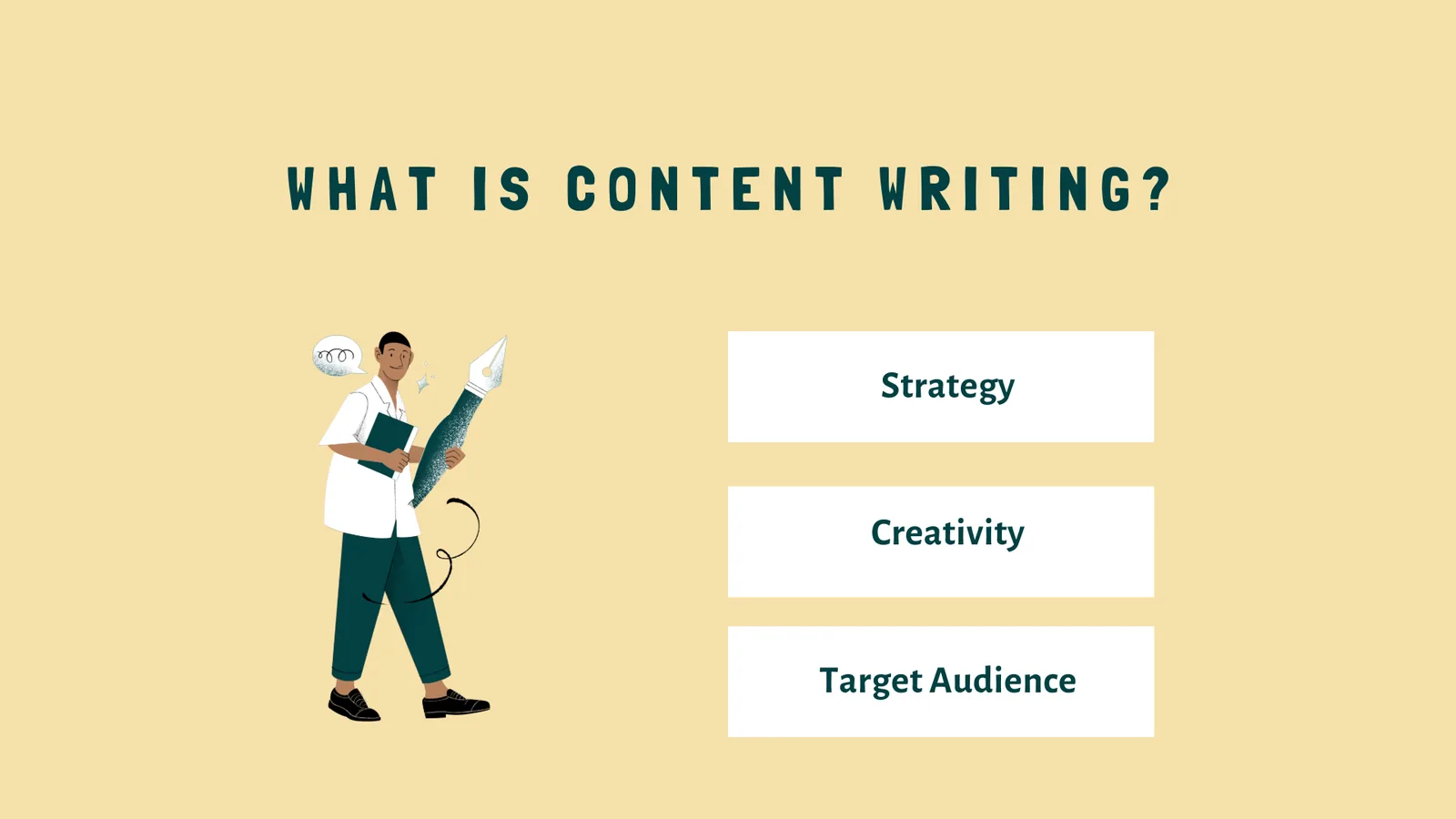
Content writing is the act of creating written content for digital as well as non-digital media. Content exists in various formats, including blog posts, articles, website content, social media updates, email newsletters, white papers, eBooks, case studies, and more. Effective content writing is not just a question of putting words on a page—it is a combination of strategy, creativity, and an understanding of the target audience.
1. Increases Brand Authority

Well-researched and well-written content establishes a brand as a thought leader in its industry. By regularly providing thoughtful information consistently, businesses can build trust and credibility with the audiences. Informative content showcases expertise and thought leadership, making customers more likely to choose a business that demonstrates knowledge and reliability.
2. Boosts SEO and Online Visibility

Search engines prioritize high-quality, relevant content. With the smart use of keywords, meta descriptions, and backlinks, content writing helps to improve search rankings, making it easier for audiences to find things online. Well-structured, keyword-optimized content attracts organic traffic, reducing the need for paid advertising and improving long-term digital presence.
3. Engages and Retains Audiences

Innovative content holds customers' interest and encourages them to return visits. Engaged audiences are more likely to convert into loyal customers or subscribers. Providing valuable and interactive content, such as tutorials, FAQs, and storytelling-driven articles, fosters stronger connections with readers and keeps them coming back.
4. Supports Marketing Initiatives
Through both social media advertising or email campaigns, content plays a crucial role in digital marketing activities. It aids in presenting brand messages, triggers product advertisement, and forges relations with the clients. Effective content writing enables businesses to align their marketing messages with customer interests, improving engagement rates and conversion potential across various platforms.
5. Generates Leads and Conversions

Strategically crafted content can lead audiences through the sales funnel, turning visitors into leads and leads into customers. Call-to-actions (CTAs), persuasive storytelling, and value-driven content encourage users to take action. Well-placed CTAs in blog posts, landing pages, and social media posts guide users toward subscriptions, purchases, or inquiries, making content a key player in revenue generation.
Essential Elements of Effective Content Writing
1. Understanding Your Audience
Before writing any content, it's essential to define your target audience. Consider their demographics, interests, pain points, and preferences. Tailoring content to meet their needs enhances engagement and effectiveness.
2. Developing an interesting Headline
Headlines are the first thing that readers notice. A compelling headline should be brief, clear, and interesting enough to make readers want to learn more. Using numbers, questions, or power words can make headlines more engaging.
3. Writing with Clarity and Purpose
Excellent content is simple in its intent. Avoid using jargon and complex language; instead, use simple, engaging, and direct communication. Use active voice and concise sentences to keep readers engaged.
4. Incorporating SEO Best Practices
SEO (Search Engine Optimization) enhances content visibility. Essential SEO practices include:
Using relevant keywords naturally
Optimizing meta descriptions and headers
Structuring content with bullet points and subheadings
Including internal and external links
Improving readability with short paragraphs
Optimizing images with alt text
5. Adding Value with Well-Researched Information
Content should provide meaningful insights and valuable information. Citing reputable sources and including data-backed facts strengthen credibility and reliability.
6. Maintaining a Consistent Tone and Style
A consistent tone and style help establish brand identity. Whether the content is formal, conversational, or persuasive, maintaining uniformity enhances recognition and relatability.
7. Using Engaging and Visual Elements
Combining visuals, such as images, infographics, and videos, enhances readability and memory. Visuals prevent the text from being too heavy and engaging it further.
8. Encouraging Reader Engagement
Encourage readers to engage by putting questions, such as call-to-action (CTA) buttons, or asking for comments and shares. Engaging content creates a sense of community and connectivity.
Types of Content Writing
1. Blog Writing
Blog writing involves creating informative, engaging, and often opinionated articles on specific topics. Blogs help build brand authority, boost SEO rankings, and attract a steady audience. They can be educational, entertaining, or persuasive, depending on the target audience.
2. SEO Writing
SEO (Search Engine Optimization) writing focuses on optimizing content for search engines. This includes keyword research, meta descriptions, internal and external linking, and structuring content to improve search rankings. SEO writing is essential for digital visibility and website traffic.
3. Copywriting
Copywriting is persuasive writing designed to encourage a specific action, such as purchasing a product, signing up for a service, or clicking on a link. It is used in advertisements, landing pages, sales letters, product descriptions, and marketing campaigns. Effective copywriting requires creativity, emotional appeal, and an understanding of consumer psychology.
4. Technical Writing
Technical writing involves creating detailed, informative content that explains complex subjects in an easy-to-understand manner. This type of writing is common in industries such as IT, engineering, healthcare, and finance. Examples include user manuals, software documentation, white papers, and instructional guides.
5. Social Media Content Writing
Writing for social media requires a mix of creativity, brevity, and trend awareness. Content must be engaging, shareable, and tailored for each platform (e.g., Twitter, LinkedIn, Instagram, Facebook). Social media content includes posts, captions, hashtags, and interactive elements like polls and quizzes.
6. Email Marketing Content
Email marketing involves writing compelling email copy that nurtures leads, maintains customer engagement, and drives conversions. This includes promotional emails, newsletters, automated email sequences, and follow-up emails. Personalization, persuasive language, and clear CTAs are crucial for effective email content.
7. White Papers and Case Studies
White papers and case studies provide in-depth analysis and data-driven insights into specific topics or industry challenges. White papers present research-backed information to educate professionals, while case studies showcase real-life success stories to demonstrate the effectiveness of a product or service.
8. EBooks and Long-Form Content
EBooks and long-form content are extensive, research-based materials that provide detailed knowledge on a subject. They are often used as lead magnets in marketing campaigns. Long-form content also includes comprehensive guides, industry reports, and thought leadership articles.
Tips to Improve Your Content Writing Skills
1. Read and Research Extensively
The more you read, the better you write. Study industry trends, competitor content, and reputable sources to stay informed and improve your writing style.
2. Practice Regularly
Consistent practice hones writing skills. Experiment with different styles, tones, and formats to discover what works best for your audience.
3. Edit and Proofread Thoroughly
Errors and typos undermine credibility. Always proofread content for grammatical errors, clarity, and coherence before publishing.
4. Use Content Writing Tools
Tools like Grammarly, Hemingway Editor, and Yoast SEO can enhance readability, grammar, and SEO performance.
5. Stay Updated with SEO Trends
SEO practices evolve constantly. Staying updated with algorithm changes and best practices ensures content remains relevant and competitive.
6. Incorporate Storytelling Techniques
Stories captivate audiences and create emotional connections. Using narratives in content writing makes it more relatable and memorable.
7. Experiment with Different Content Formats
Explore various content types, including listicles, how-to guides, opinion pieces, and case studies, to keep your content fresh and appealing.
For professional content writing services, visit https://mrradiant.com/ and let our experts craft compelling content tailored to your needs.
Client Background: Stellar Shots Videography is a boutique videography studio specializing in capturing memorable moments through cinematic storytelling. With a team of skilled videographers and editors, Stellar Shots has earned a reputation for delivering high-quality videos for weddings, events, and corporate projects. However, despite its exceptional work, the studio faced challenges in effectively showcasing its portfolio and attracting new clients through its website.
Challenge: As visual storytellers, Stellar Shots understood the importance of captivating content in conveying their brand identity and expertise. However, the studio struggled to translate its creativity and passion into compelling written content for its website. The challenge was to revamp the website's content to better reflect Stellar Shots' brand voice, showcase its portfolio, and attract potential clients.
Solution: The content writing team at Creative Captions collaborated closely with Stellar Shots to craft engaging and persuasive content for its portfolio website. The following strategies were implemented:
Discovery and Brand Voice Development:
Conducted a discovery session to understand Stellar Shots' brand values, target audience, and unique selling points.
Developed a brand voice and tone that aligned with Stellar Shots' creative and professional approach to videography.
Portfolio Showcase:
Highlighted Stellar Shots' portfolio of work through captivating descriptions and storytelling, emphasizing the emotions and narratives captured in each video.
Organized the portfolio into distinct categories, such as weddings, events, and corporate projects, to make it easy for visitors to navigate and explore.
Service Descriptions:
Crafted concise and compelling descriptions of Stellar Shots' videography services, emphasizing the studio's expertise, equipment, and commitment to quality.
Clearly outlined the benefits of hiring Stellar Shots for different types of projects, addressing common client concerns and objectives.
Client Testimonials and Success Stories:
Incorporated testimonials and success stories from satisfied clients to provide social proof and build credibility.
Highlighted specific projects and outcomes to demonstrate Stellar Shots' ability to meet and exceed client expectations.
Results:
Stellar Shots Videography saw a 40% increase in website traffic within the first month of launching the revamped content.
Visitor engagement metrics, including time spent on page and bounce rate, improved significantly, indicating a positive user experience and increased interest in Stellar Shots' services.
The studio received an influx of inquiries and leads from potential clients impressed by the storytelling and professionalism showcased in the website's content.
Stellar Shots' brand perception and credibility received a boost, with existing clients and industry peers praising the website's content and messaging.
Testimonial: "Creative Captions did an amazing job capturing the essence of our videography studio through their writing. The content on our website now perfectly reflects our brand identity and the quality of our work. We've received numerous compliments from clients and prospects, and our business has seen tangible growth as a result."
Emily Lawson, Founder of Stellar Shots Videography
This case study demonstrates how Stellar Shots Videography collaborated with Creative Captions to transform its website's content, effectively showcasing its portfolio and attracting new clients in the competitive videography industry.
In the digital era, content writing is a source that no business, marketer or individual can live without. High-quality content not only informs and engages people but also builds trust and drives conversions.…
In the digital era, content writing is a source that no business, marketer or individual can live without. High-quality content not only informs and engages people but also builds trust and drives conversions. If you are a writer, marketer, or an entrepreneur, having an understanding of content writing skills can truly be the key to your success.This guide covers the most essential points of content writing and offers insights into how to craft engaging and effective content.
Content writing is the act of creating written content for digital as well as non-digital media. Content exists in various formats, including blog posts, articles, website content, social media updates, email newsletters, white papers, eBooks, case studies, and more. Effective content writing is not just a question of putting words on a page—it is a combination of strategy, creativity, and an understanding of the target audience.
1. Increases Brand Authority
Well-researched and well-written content establishes a brand as a thought leader in its industry. By regularly providing thoughtful information consistently, businesses can build trust and credibility with the audiences. Informative content showcases expertise and thought leadership, making customers more likely to choose a business that demonstrates knowledge and reliability.
2. Boosts SEO and Online Visibility
Search engines prioritize high-quality, relevant content. With the smart use of keywords, meta descriptions, and backlinks, content writing helps to improve search rankings, making it easier for audiences to find things online. Well-structured, keyword-optimized content attracts organic traffic, reducing the need for paid advertising and improving long-term digital presence.
3. Engages and Retains Audiences
Innovative content holds customers' interest and encourages them to return visits. Engaged audiences are more likely to convert into loyal customers or subscribers. Providing valuable and interactive content, such as tutorials, FAQs, and storytelling-driven articles, fosters stronger connections with readers and keeps them coming back.
4. Supports Marketing Initiatives
Through both social media advertising or email campaigns, content plays a crucial role in digital marketing activities. It aids in presenting brand messages, triggers product advertisement, and forges relations with the clients. Effective content writing enables businesses to align their marketing messages with customer interests, improving engagement rates and conversion potential across various platforms.
5. Generates Leads and Conversions
Strategically crafted content can lead audiences through the sales funnel, turning visitors into leads and leads into customers. Call-to-actions (CTAs), persuasive storytelling, and value-driven content encourage users to take action. Well-placed CTAs in blog posts, landing pages, and social media posts guide users toward subscriptions, purchases, or inquiries, making content a key player in revenue generation.
Essential Elements of Effective Content Writing
1. Understanding Your Audience
Before writing any content, it's essential to define your target audience. Consider their demographics, interests, pain points, and preferences. Tailoring content to meet their needs enhances engagement and effectiveness.
2. Developing an interesting Headline
Headlines are the first thing that readers notice. A compelling headline should be brief, clear, and interesting enough to make readers want to learn more. Using numbers, questions, or power words can make headlines more engaging.
3. Writing with Clarity and Purpose
Excellent content is simple in its intent. Avoid using jargon and complex language; instead, use simple, engaging, and direct communication. Use active voice and concise sentences to keep readers engaged.
4. Incorporating SEO Best Practices
SEO (Search Engine Optimization) enhances content visibility. Essential SEO practices include:
Using relevant keywords naturally
Optimizing meta descriptions and headers
Structuring content with bullet points and subheadings
Including internal and external links
Improving readability with short paragraphs
Optimizing images with alt text
5. Adding Value with Well-Researched Information
Content should provide meaningful insights and valuable information. Citing reputable sources and including data-backed facts strengthen credibility and reliability.
6. Maintaining a Consistent Tone and Style
A consistent tone and style help establish brand identity. Whether the content is formal, conversational, or persuasive, maintaining uniformity enhances recognition and relatability.
7. Using Engaging and Visual Elements
Combining visuals, such as images, infographics, and videos, enhances readability and memory. Visuals prevent the text from being too heavy and engaging it further.
8. Encouraging Reader Engagement
Encourage readers to engage by putting questions, such as call-to-action (CTA) buttons, or asking for comments and shares. Engaging content creates a sense of community and connectivity.
Types of Content Writing
1. Blog Writing
Blog writing involves creating informative, engaging, and often opinionated articles on specific topics. Blogs help build brand authority, boost SEO rankings, and attract a steady audience. They can be educational, entertaining, or persuasive, depending on the target audience.
2. SEO Writing
SEO (Search Engine Optimization) writing focuses on optimizing content for search engines. This includes keyword research, meta descriptions, internal and external linking, and structuring content to improve search rankings. SEO writing is essential for digital visibility and website traffic.
3. Copywriting
Copywriting is persuasive writing designed to encourage a specific action, such as purchasing a product, signing up for a service, or clicking on a link. It is used in advertisements, landing pages, sales letters, product descriptions, and marketing campaigns. Effective copywriting requires creativity, emotional appeal, and an understanding of consumer psychology.
4. Technical Writing
Technical writing involves creating detailed, informative content that explains complex subjects in an easy-to-understand manner. This type of writing is common in industries such as IT, engineering, healthcare, and finance. Examples include user manuals, software documentation, white papers, and instructional guides.
5. Social Media Content Writing
Writing for social media requires a mix of creativity, brevity, and trend awareness. Content must be engaging, shareable, and tailored for each platform (e.g., Twitter, LinkedIn, Instagram, Facebook). Social media content includes posts, captions, hashtags, and interactive elements like polls and quizzes.
6. Email Marketing Content
Email marketing involves writing compelling email copy that nurtures leads, maintains customer engagement, and drives conversions. This includes promotional emails, newsletters, automated email sequences, and follow-up emails. Personalization, persuasive language, and clear CTAs are crucial for effective email content.
7. White Papers and Case Studies
White papers and case studies provide in-depth analysis and data-driven insights into specific topics or industry challenges. White papers present research-backed information to educate professionals, while case studies showcase real-life success stories to demonstrate the effectiveness of a product or service.
8. EBooks and Long-Form Content
EBooks and long-form content are extensive, research-based materials that provide detailed knowledge on a subject. They are often used as lead magnets in marketing campaigns. Long-form content also includes comprehensive guides, industry reports, and thought leadership articles.
Tips to Improve Your Content Writing Skills
1. Read and Research Extensively
The more you read, the better you write. Study industry trends, competitor content, and reputable sources to stay informed and improve your writing style.
2. Practice Regularly
Consistent practice hones writing skills. Experiment with different styles, tones, and formats to discover what works best for your audience.
3. Edit and Proofread Thoroughly
Errors and typos undermine credibility. Always proofread content for grammatical errors, clarity, and coherence before publishing.
4. Use Content Writing Tools
Tools like Grammarly, Hemingway Editor, and Yoast SEO can enhance readability, grammar, and SEO performance.
5. Stay Updated with SEO Trends
SEO practices evolve constantly. Staying updated with algorithm changes and best practices ensures content remains relevant and competitive.
6. Incorporate Storytelling Techniques
Stories captivate audiences and create emotional connections. Using narratives in content writing makes it more relatable and memorable.
7. Experiment with Different Content Formats
Explore various content types, including listicles, how-to guides, opinion pieces, and case studies, to keep your content fresh and appealing.
For professional content writing services, visit https://mrradiant.com/ and let our experts craft compelling content tailored to your needs.
Keep Reading
More From Our Blog
Fresh insights on SEO, ads, content and growth from the Mr. Radiant team
Keep Reading
More From Our Blog
Fresh insights on SEO, ads, content and growth from the Mr. Radiant team
Keep Reading
More From Our Blog
Fresh insights on SEO, ads, content and growth from the Mr. Radiant team