Blog
The Psychology Behind Successful Digital Ads
Blog
The Psychology Behind Successful Digital Ads
Users get flooded with thousands of marketing messages every day in today's overcrowded digital ecosystem. Digital ads are everywhere on the internet, from Instagram stories and search ads to pre-roll YouTube…
Users get flooded with thousands of marketing messages every day in today's overcrowded digital ecosystem. Digital ads are everywhere on the internet, from Instagram stories and search ads to pre-roll YouTube commercials. Even so, very few are able to genuinely connect, stir feelings, or motivate action. These effective digital advertisements are frequently distinguished from the forgettable ones by a profound comprehension of human psychology rather than by superficial inventiveness.
Fundamentally, digital advertising is more about people than it is about algorithms. Brands that capitalise on the behavioural, cognitive, and emotional cues that influence our thoughts, feelings, and actions are the ones that excel at advertising. Businesses can transcend product sales and establish deeper connections and decision-making influence by integrating fundamental psychological concepts into their advertising content.
This blog examines the psychological factors that contribute to the effectiveness of digital advertisements, the moral and strategic use of these tools by marketers, and the lessons that can be learnt to improve advertising performance in 2025 and beyond.
Emotion: The Most Powerful Driver
Digital advertisements that merely list features or products are rarely the most successful. Rather, they arouse an emotion. Ads become more ingrained in our memories when we experience emotions like joy, fear, surprise, sadness, nostalgia, or even outrage. People are more likely to discuss, act upon, and share content when they are feeling something.
Think about the emotional impact of Nike's "Dream Crazier" campaign, which emphasised the breaking of barriers by female athletes. Or Dove's "Real Beauty" advertisements, which sparked discussions about body image. These were emotional stories connected to human values, not merely marketing messages. A strong narrative arc that evokes excitement or empathy can significantly boost brand favorability and ad recall, even in short-form digital formats.
The way our brains handle making decisions is the reason emotion functions so well. According to research by neurologist Antonio Damasio, emotions play a crucial role in decision-making rather than existing independently of it. We base our decisions, including those about purchases, in part on our emotions rather than just reason. Therefore, effective advertisements are designed to evoke feelings in viewers before requesting action.
Cognitive Biases: Tapping into the Brain’s Shortcuts
Shortcuts, sometimes referred to as cognitive biases, are common in human cognition and aid in our rapid and effective understanding of the world. Advertisers can create messages that complement people's natural information processing by being aware of and taking advantage of these biases.
The bandwagon effect is a well-known example, where people are more likely to embrace a concept or product because others are. This bias is used in digital advertisements that use social proof, such as user reviews, testimonials, or claims of "over 1 million users." People are more likely to view a product or service as valuable and trustworthy when they witness others, particularly peers or influencers, confirming it.
The scarcity principle is another potent bias. Things that seem limited or rare tend to be valued more by people. This psychological trigger is tapped by digital advertisements that use countdown timers, "limited-time offers," or "only 3 left in stock," which cause users to act quickly out of what psychologists refer to as FOMO (Fear of Missing Out).
Another cognitive shortcut used in digital advertising is anchoring. This happens when the initial information provided—such as a high initial price—is used as a benchmark for subsequent assessments. The buyer therefore perceives greater value when a product that was originally priced at $200 is displayed as being "on sale" for $120 because their expectations were anchored to the higher price, even though the product's true market value is $120.
Though subtle, these cognitive biases have a huge impact. They direct consumer thought patterns towards particular desired behaviours when expertly incorporated into ad design.
Visual Psychology and Design
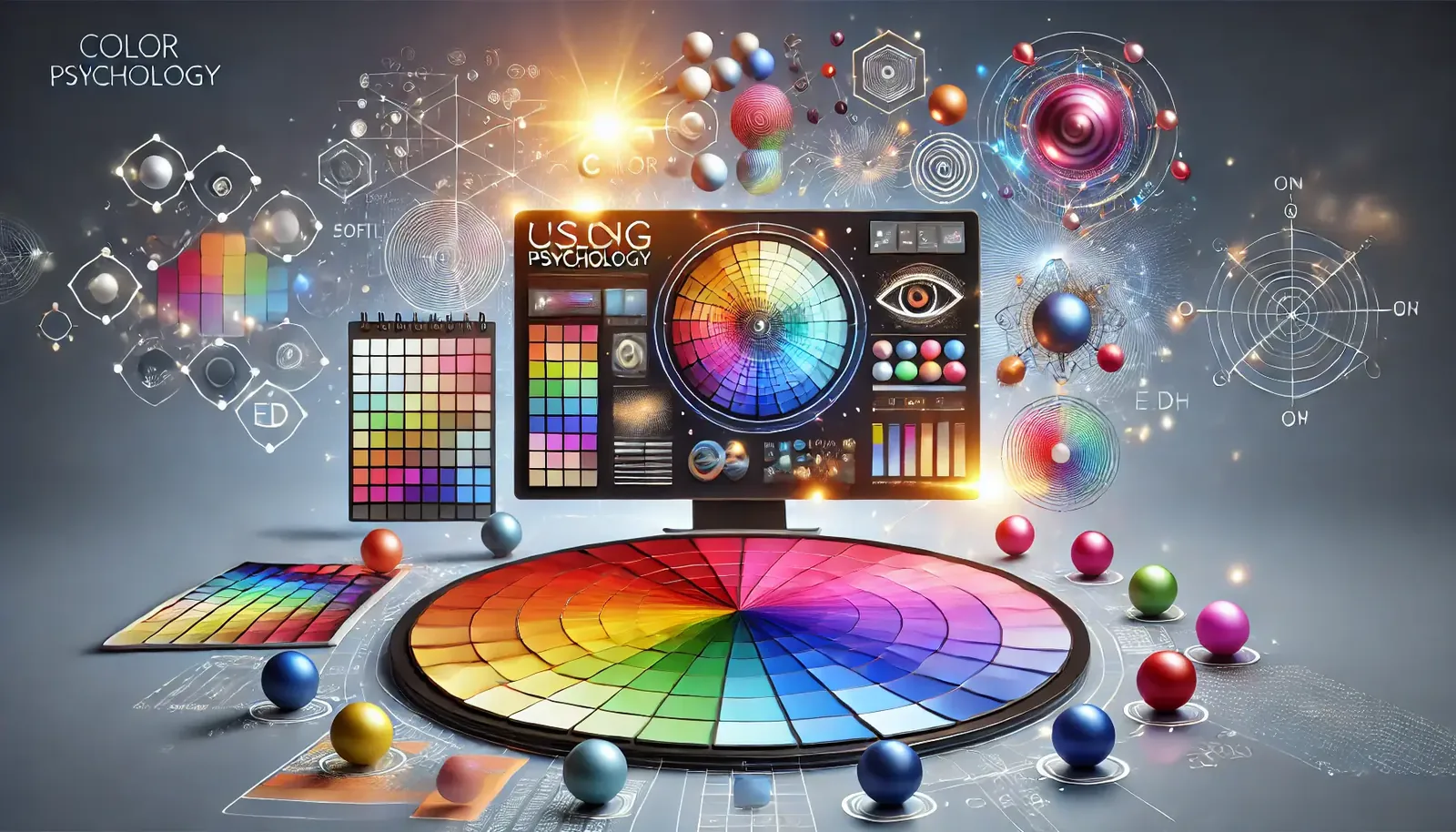
A digital advertisement's visual presentation is based on psychological concepts in addition to aesthetics. Because the human brain processes visual information 60,000 times faster than text, an advertisement's layout and imagery frequently influence users' engagement within the first few seconds.
Ad perception is significantly influenced by colour theory. Red is frequently used for clearance sales because it creates a sense of urgency and excitement. Blue is a popular colour for financial services because it is linked to security and trust. Green is calming and evocative, which fits in nicely with eco-friendly products. Although not shared by all cultures, these colour associations serve as potent subconscious cues in a variety of Western and international contexts.
Furthermore, eye-tracking studies show that when people scan screens, they naturally follow the "F" or "Z" pattern. Smart digital advertisements make use of this knowledge by aligning important visual components along those sightlines, such as product images, CTAs, and brand logos. The viewer's attention can be directed or diverted by the ad's structure, whitespace balance, and element contrast. By ensuring that the viewer is aware of where to look first, second, and last, visual hierarchy improves impact and comprehension.
Perception is also subtly influenced by typography. Sans-serif fonts imply modernity and simplicity, while serif fonts suggest tradition and respectability. Typefaces are chosen by brands to subtly convey their values and personality in addition to being readable.
Personalization: The Psychology of Recognition
Personalisation is expected in 2025, not a luxury. Users are more attracted to advertisements that seem customised for them now that big data and AI-powered platforms are available. This appeals to the "cocktail party effect" in psychology, which is the tendency of our brain to pay more attention to things that are directly related to us, such as our name, location, or behaviour.
Digital advertisements seem more timely and relevant when they make reference to a user's demographics, recent activity, or preferences. Because the user feels seen and not like they're being sold to in a generic manner, this relevance boosts engagement.
Advertisements that are tailored to the consumer show that the brand is aware of their world. A more personal connection is produced, for example, by a Spotify advertisement that presents a playlist customised to the user's musical preferences or an Amazon display ad that makes product recommendations based on recent searches. The psychology underlying this stems from the human need for approval and validation of one's identity. You are more likely to trust and interact with a brand when it recognises your identity and preferences.
But there's a thin line separating intrusion from personalisation. Ethical personalisation uses data in a transparent manner and respects privacy boundaries. Excessive advertisements can cause discomfort and damage trust, such as bringing up something you said out loud without your explicit consent.
The Role of Trust and Consistency

Any long-term customer relationship is built on trust, which has psychological roots that go all the way back to human evolution. Building trust in digital advertising requires consistency across platforms, messaging, and brand identity in addition to ad content. The landing page should have the same offer, tone, and design when a user clicks on a Facebook advertisement. Confusion and suspicion are fostered by fragmented experiences.
Psychological reassurances are provided by reputation indicators such as security badges, third-party reviews, certifications, and return policies. They reduce perceived risk, which is an important consideration in online settings where customers are unable to physically inspect products before making a purchase. By lessening what psychologists refer to as the "uncertainty avoidance" instinct, this mitigation encourages people to proceed with the transaction.
Trust is also nourished by transparency. Ads that avoid clickbait titles, clearly explain what is being offered, and include costs have a higher conversion rate. On the other hand, misleading or unclear advertisements might encourage clicks but hardly ever result in devoted clients. Over time, honesty has a stronger psychological impact than deceit.
The Mirror Effect: Identity and Aspiration
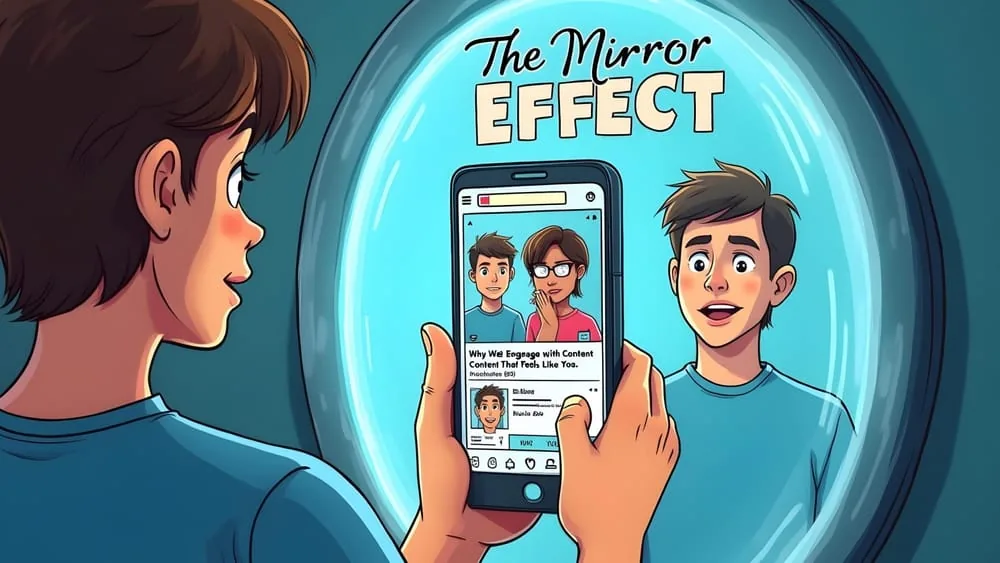
A profound psychological fact is at the core of the most famous advertising campaigns: people make purchases based on who they are or who they aspire to be. This phenomenon is known as the "mirror effect," in which advertisements reflect the ideal self of the viewer in addition to being promotional. In addition to showcasing a product, a well-done digital advertisement presents the consumer with an idealised image of themselves.
Advertising appeals to identity, whether it's the self-perception of being more fashionable, prosperous, moral, or daring. A Patagonia advertisement encourages an eco-friendly way of living in addition to selling jackets. An advertisement for a Tesla sells sustainability, innovation, and prestige all at once.
Digital advertisements transform a brand from a commodity to a symbol when they appeal to the aspirational self. In a competitive market, this psychologically motivated symbolic value fosters greater loyalty and distinction.
Conclusion: Marketing to Minds, Not Just Markets
The study of psychology provides a solid basis for developing digital advertisements that have a genuine, long-lasting effect in addition to drawing attention. The most successful digital advertisements understand people's true thoughts and feelings, from identity signalling and design psychology to emotional resonance and cognitive biases.
It's simple to forget that a human being is behind every click, view, and conversion in this era of algorithmic targeting and data overload. Using psychological insights to inform your advertising gives you a competitive advantage as well as the ability to inspire, connect, and convince in meaningful ways. Because the most successful advertisements understand people in addition to selling goods.
Client Background: Stellar Shots Videography is a boutique videography studio specializing in capturing memorable moments through cinematic storytelling. With a team of skilled videographers and editors, Stellar Shots has earned a reputation for delivering high-quality videos for weddings, events, and corporate projects. However, despite its exceptional work, the studio faced challenges in effectively showcasing its portfolio and attracting new clients through its website.
Challenge: As visual storytellers, Stellar Shots understood the importance of captivating content in conveying their brand identity and expertise. However, the studio struggled to translate its creativity and passion into compelling written content for its website. The challenge was to revamp the website's content to better reflect Stellar Shots' brand voice, showcase its portfolio, and attract potential clients.
Solution: The content writing team at Creative Captions collaborated closely with Stellar Shots to craft engaging and persuasive content for its portfolio website. The following strategies were implemented:
Discovery and Brand Voice Development:
Conducted a discovery session to understand Stellar Shots' brand values, target audience, and unique selling points.
Developed a brand voice and tone that aligned with Stellar Shots' creative and professional approach to videography.
Portfolio Showcase:
Highlighted Stellar Shots' portfolio of work through captivating descriptions and storytelling, emphasizing the emotions and narratives captured in each video.
Organized the portfolio into distinct categories, such as weddings, events, and corporate projects, to make it easy for visitors to navigate and explore.
Service Descriptions:
Crafted concise and compelling descriptions of Stellar Shots' videography services, emphasizing the studio's expertise, equipment, and commitment to quality.
Clearly outlined the benefits of hiring Stellar Shots for different types of projects, addressing common client concerns and objectives.
Client Testimonials and Success Stories:
Incorporated testimonials and success stories from satisfied clients to provide social proof and build credibility.
Highlighted specific projects and outcomes to demonstrate Stellar Shots' ability to meet and exceed client expectations.
Results:
Stellar Shots Videography saw a 40% increase in website traffic within the first month of launching the revamped content.
Visitor engagement metrics, including time spent on page and bounce rate, improved significantly, indicating a positive user experience and increased interest in Stellar Shots' services.
The studio received an influx of inquiries and leads from potential clients impressed by the storytelling and professionalism showcased in the website's content.
Stellar Shots' brand perception and credibility received a boost, with existing clients and industry peers praising the website's content and messaging.
Testimonial: "Creative Captions did an amazing job capturing the essence of our videography studio through their writing. The content on our website now perfectly reflects our brand identity and the quality of our work. We've received numerous compliments from clients and prospects, and our business has seen tangible growth as a result."
Emily Lawson, Founder of Stellar Shots Videography
This case study demonstrates how Stellar Shots Videography collaborated with Creative Captions to transform its website's content, effectively showcasing its portfolio and attracting new clients in the competitive videography industry.
Users get flooded with thousands of marketing messages every day in today's overcrowded digital ecosystem. Digital ads are everywhere on the internet, from Instagram stories and search ads to pre-roll YouTube…
Users get flooded with thousands of marketing messages every day in today's overcrowded digital ecosystem. Digital ads are everywhere on the internet, from Instagram stories and search ads to pre-roll YouTube commercials. Even so, very few are able to genuinely connect, stir feelings, or motivate action. These effective digital advertisements are frequently distinguished from the forgettable ones by a profound comprehension of human psychology rather than by superficial inventiveness.
Fundamentally, digital advertising is more about people than it is about algorithms. Brands that capitalise on the behavioural, cognitive, and emotional cues that influence our thoughts, feelings, and actions are the ones that excel at advertising. Businesses can transcend product sales and establish deeper connections and decision-making influence by integrating fundamental psychological concepts into their advertising content.
This blog examines the psychological factors that contribute to the effectiveness of digital advertisements, the moral and strategic use of these tools by marketers, and the lessons that can be learnt to improve advertising performance in 2025 and beyond.
Emotion: The Most Powerful Driver
Digital advertisements that merely list features or products are rarely the most successful. Rather, they arouse an emotion. Ads become more ingrained in our memories when we experience emotions like joy, fear, surprise, sadness, nostalgia, or even outrage. People are more likely to discuss, act upon, and share content when they are feeling something.
Think about the emotional impact of Nike's "Dream Crazier" campaign, which emphasised the breaking of barriers by female athletes. Or Dove's "Real Beauty" advertisements, which sparked discussions about body image. These were emotional stories connected to human values, not merely marketing messages. A strong narrative arc that evokes excitement or empathy can significantly boost brand favorability and ad recall, even in short-form digital formats.
The way our brains handle making decisions is the reason emotion functions so well. According to research by neurologist Antonio Damasio, emotions play a crucial role in decision-making rather than existing independently of it. We base our decisions, including those about purchases, in part on our emotions rather than just reason. Therefore, effective advertisements are designed to evoke feelings in viewers before requesting action.
Cognitive Biases: Tapping into the Brain’s Shortcuts
Shortcuts, sometimes referred to as cognitive biases, are common in human cognition and aid in our rapid and effective understanding of the world. Advertisers can create messages that complement people's natural information processing by being aware of and taking advantage of these biases.
The bandwagon effect is a well-known example, where people are more likely to embrace a concept or product because others are. This bias is used in digital advertisements that use social proof, such as user reviews, testimonials, or claims of "over 1 million users." People are more likely to view a product or service as valuable and trustworthy when they witness others, particularly peers or influencers, confirming it.
The scarcity principle is another potent bias. Things that seem limited or rare tend to be valued more by people. This psychological trigger is tapped by digital advertisements that use countdown timers, "limited-time offers," or "only 3 left in stock," which cause users to act quickly out of what psychologists refer to as FOMO (Fear of Missing Out).
Another cognitive shortcut used in digital advertising is anchoring. This happens when the initial information provided—such as a high initial price—is used as a benchmark for subsequent assessments. The buyer therefore perceives greater value when a product that was originally priced at $200 is displayed as being "on sale" for $120 because their expectations were anchored to the higher price, even though the product's true market value is $120.
Though subtle, these cognitive biases have a huge impact. They direct consumer thought patterns towards particular desired behaviours when expertly incorporated into ad design.
Visual Psychology and Design
A digital advertisement's visual presentation is based on psychological concepts in addition to aesthetics. Because the human brain processes visual information 60,000 times faster than text, an advertisement's layout and imagery frequently influence users' engagement within the first few seconds.
Ad perception is significantly influenced by colour theory. Red is frequently used for clearance sales because it creates a sense of urgency and excitement. Blue is a popular colour for financial services because it is linked to security and trust. Green is calming and evocative, which fits in nicely with eco-friendly products. Although not shared by all cultures, these colour associations serve as potent subconscious cues in a variety of Western and international contexts.
Furthermore, eye-tracking studies show that when people scan screens, they naturally follow the "F" or "Z" pattern. Smart digital advertisements make use of this knowledge by aligning important visual components along those sightlines, such as product images, CTAs, and brand logos. The viewer's attention can be directed or diverted by the ad's structure, whitespace balance, and element contrast. By ensuring that the viewer is aware of where to look first, second, and last, visual hierarchy improves impact and comprehension.
Perception is also subtly influenced by typography. Sans-serif fonts imply modernity and simplicity, while serif fonts suggest tradition and respectability. Typefaces are chosen by brands to subtly convey their values and personality in addition to being readable.
Personalization: The Psychology of Recognition
Personalisation is expected in 2025, not a luxury. Users are more attracted to advertisements that seem customised for them now that big data and AI-powered platforms are available. This appeals to the "cocktail party effect" in psychology, which is the tendency of our brain to pay more attention to things that are directly related to us, such as our name, location, or behaviour.
Digital advertisements seem more timely and relevant when they make reference to a user's demographics, recent activity, or preferences. Because the user feels seen and not like they're being sold to in a generic manner, this relevance boosts engagement.
Advertisements that are tailored to the consumer show that the brand is aware of their world. A more personal connection is produced, for example, by a Spotify advertisement that presents a playlist customised to the user's musical preferences or an Amazon display ad that makes product recommendations based on recent searches. The psychology underlying this stems from the human need for approval and validation of one's identity. You are more likely to trust and interact with a brand when it recognises your identity and preferences.
But there's a thin line separating intrusion from personalisation. Ethical personalisation uses data in a transparent manner and respects privacy boundaries. Excessive advertisements can cause discomfort and damage trust, such as bringing up something you said out loud without your explicit consent.
The Role of Trust and Consistency
Any long-term customer relationship is built on trust, which has psychological roots that go all the way back to human evolution. Building trust in digital advertising requires consistency across platforms, messaging, and brand identity in addition to ad content. The landing page should have the same offer, tone, and design when a user clicks on a Facebook advertisement. Confusion and suspicion are fostered by fragmented experiences.
Psychological reassurances are provided by reputation indicators such as security badges, third-party reviews, certifications, and return policies. They reduce perceived risk, which is an important consideration in online settings where customers are unable to physically inspect products before making a purchase. By lessening what psychologists refer to as the "uncertainty avoidance" instinct, this mitigation encourages people to proceed with the transaction.
Trust is also nourished by transparency. Ads that avoid clickbait titles, clearly explain what is being offered, and include costs have a higher conversion rate. On the other hand, misleading or unclear advertisements might encourage clicks but hardly ever result in devoted clients. Over time, honesty has a stronger psychological impact than deceit.
The Mirror Effect: Identity and Aspiration
A profound psychological fact is at the core of the most famous advertising campaigns: people make purchases based on who they are or who they aspire to be. This phenomenon is known as the "mirror effect," in which advertisements reflect the ideal self of the viewer in addition to being promotional. In addition to showcasing a product, a well-done digital advertisement presents the consumer with an idealised image of themselves.
Advertising appeals to identity, whether it's the self-perception of being more fashionable, prosperous, moral, or daring. A Patagonia advertisement encourages an eco-friendly way of living in addition to selling jackets. An advertisement for a Tesla sells sustainability, innovation, and prestige all at once.
Digital advertisements transform a brand from a commodity to a symbol when they appeal to the aspirational self. In a competitive market, this psychologically motivated symbolic value fosters greater loyalty and distinction.
Conclusion: Marketing to Minds, Not Just Markets
The study of psychology provides a solid basis for developing digital advertisements that have a genuine, long-lasting effect in addition to drawing attention. The most successful digital advertisements understand people's true thoughts and feelings, from identity signalling and design psychology to emotional resonance and cognitive biases.
It's simple to forget that a human being is behind every click, view, and conversion in this era of algorithmic targeting and data overload. Using psychological insights to inform your advertising gives you a competitive advantage as well as the ability to inspire, connect, and convince in meaningful ways. Because the most successful advertisements understand people in addition to selling goods.
Keep Reading
More From Our Blog
Fresh insights on SEO, ads, content and growth from the Mr. Radiant team
Keep Reading
More From Our Blog
Fresh insights on SEO, ads, content and growth from the Mr. Radiant team
Keep Reading
More From Our Blog
Fresh insights on SEO, ads, content and growth from the Mr. Radiant team