Blog
Top 10 Digital Marketing Trends to Watch This Year

Blog
Top 10 Digital Marketing Trends to Watch This Year
Brands must navigate an increasingly complex environment shaped by emerging technologies, changing consumer behaviours, and frequent algorithm updates as the digital landscape continues to change at an…
Brands must navigate an increasingly complex environment shaped by emerging technologies, changing consumer behaviours, and frequent algorithm updates as the digital landscape continues to change at an alarming rate. It is not only beneficial but also necessary to stay ahead of trends in this ever-changing digital landscape. Knowing the direction that digital marketing is taking will help you, whether you’re a startup entrepreneur or an experienced marketer, modify your tactics to appeal to contemporary consumers and produce tangible outcomes. Ten noteworthy trends are set to revolutionise how companies interact, convert, and retain audiences on the internet this year.
1. AI-Powered Marketing: Redefining Efficiency and Personalization
Digital marketing is already heavily reliant on artificial intelligence (AI), which is predicted to grow even more complex and widespread this year. AI is now an everyday tool rather than merely a futuristic idea, as programs like ChatGPT, Midjourney, and Google’s Gemini are revolutionising the way contents are being produced.
Marketers can now automate customer segmentation, create customised content, forecast consumer behaviour, and even optimise ad placements in real time with the aid of AI-driven platforms. Business can now hyper-personalize customer experiences thanks to AI’s capacity to learn from massive datasets. For example, service providers use chatbots to engage with customers around-the-block, and online retailers use AI to suggest products based on browsing history.
With growing concerns about deepfakes, disinformation, and data privacy, the ethical application of AI will also be a hot topic this year. Brands will have a competitive advantage if they strike a balance between innovation, accountability, and transparency.
2. Voice Search Optimization: Preparing for the Audio Revolution

For millions of users, voice search is evolving from an auxiliary feature to their primary method of communication. Optimizing for voice queries has become essential due to the widespread use of mobile voice assistants and smart speakers such as Google NExt and Amazon Echo.
Voice searchers are typically longer and more conversational than traditional text searcehs. Marketers must reconsider their SEO tactics in light of this change. Brands now need to anticipate full-sentence queries and embrace a more organic, question-based content style rather than concentrating only on short keywords.
Furthermore, because users frequently ask for directions, business hours, or nearby services, voice search has a particularly negative impact on companies with physical locations. Businesses can increase discoverability and show up in voice search results by implementing local SEO tactics and structured data.
3. Video-First Content: The Rise of Short-Form and Live Video
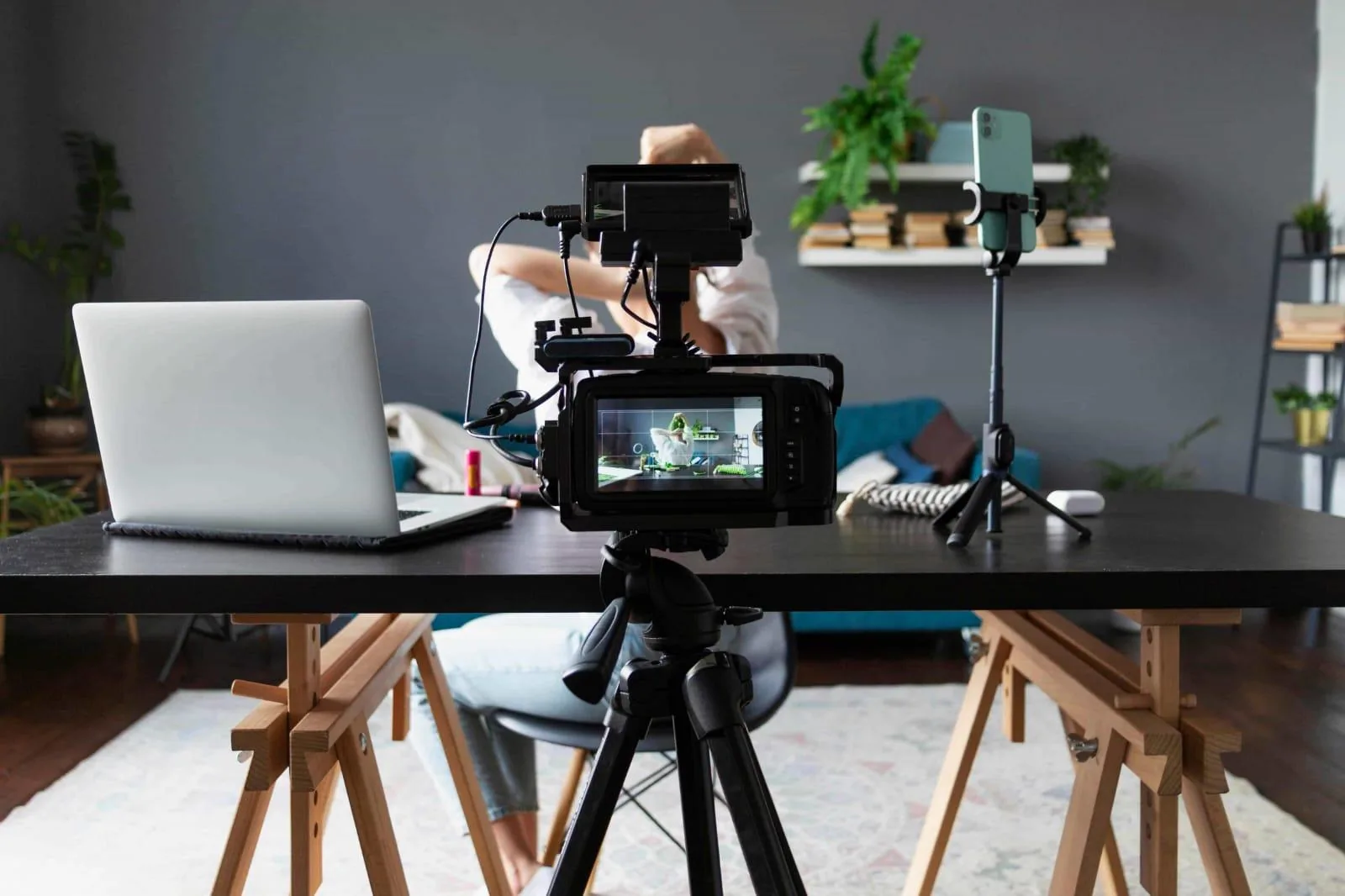
Digital engagement metrics on all platforms continue to be dominated by video. Short-form video has become the most popular content format worldwide, thanks to TikTok's explosive growth and YouTube Shorts and Instagram Reels.
The authenticity and immediacy that video provides, in addition to its entertainment value, are what are fuelling this trend. For instance, live streaming enables brands to interact with viewers in real time, fostering transparency and a sense of community. Whether it's product launches, live Q&As, or behind-the-scenes content, live video increases engagement and builds trust.
Influencers and content producers with strong video storytelling skills are being sought after by brands. Successful digital marketers will make video a top priority in their content strategies by 2025 and make investments in production and distribution-simplifying tools.
4. Social Commerce: Blurring the Lines Between Shopping and Socializing
Social commerce, the combination of social media and e-commerce, has completely changed the way that consumers make purchases. Users can find, evaluate, and buy products on platforms like Instagram, Facebook, Pinterest, and TikTok without ever leaving the app thanks to integrated shopping features.
Given that Gen Z and Millennial consumers favour seamless, mobile-first shopping experiences, social commerce is predicted to grow rapidly this year. In order to increase conversions, brands need to rethink product pages and make use of shoppable videos, influencer relationships, and user-generated content.
Additionally, personalised recommendations, virtual try-ons, and chat-based support are made possible by the incorporation of AI into social commerce tools, which improves the online shopping experience and increases customer satisfaction.
5. Privacy-First Marketing: Adapting to a Cookieless World

Delivering personalised experiences without jeopardising user trust is now a challenge for marketers due to the growing scrutiny surrounding data privacy and the phase-out of third-party cookies.
As a result, first-party data, which is gathered straight from customers via owned channels, is becoming increasingly valuable. In order to obtain insights and stay in compliance with laws like the CCPA and GDPR, brands are investing in Customer Data Platforms (CDPs) and privacy-centric analytics tools.
Transparency and consent-based marketing will emerge as crucial differentiators. Stronger bonds and enduring loyalty will result from brands that are transparent about data usage and give consumers control over their personal data.
6. Influencer Marketing 2.0: From Celebrities to Micro-Communities

A more genuine and focused strategy is replacing the gaudy, celebrity-driven model of influencer marketing. Consumers of today place a higher value on relatability and trust than followers. As a result, many brands are seeing higher returns on investment from micro and nano influencers, who have smaller but very engaged audiences.
Influencer collaborations in 2025 will prioritise enduring connections, content co-creation, and specialised communities. In recognition that real voices can have a greater impact than well-crafted campaigns, brands are also embracing user-generated content and employee advocacy.
It will take more than vanity metrics to assess influencer success. Effective collaborations will be measured by engagement rate, content quality, and brand value alignment.
7. Interactive Content and Gamification: Boosting Engagement Through Experience

There is a decline in passive consumption. Audiences today are hungry for interaction. In order to maintain user interest, engaging content—from surveys and quizzes to interactive infographics and augmented reality filters—is becoming crucial.
Across industries, gamification—the application of game mechanics to non-gaming contexts—is being used successfully to increase customer loyalty, engagement, and retention. Gamified experiences are being used by banks, educational institutions, and fitness applications to promote desired behaviours.
In order to improve data collection through voluntary user actions and strengthen audience connections, digital marketers need to investigate how to incorporate interactivity into their campaigns.
8. Sustainability and Social Responsibility: Marketing With Purpose
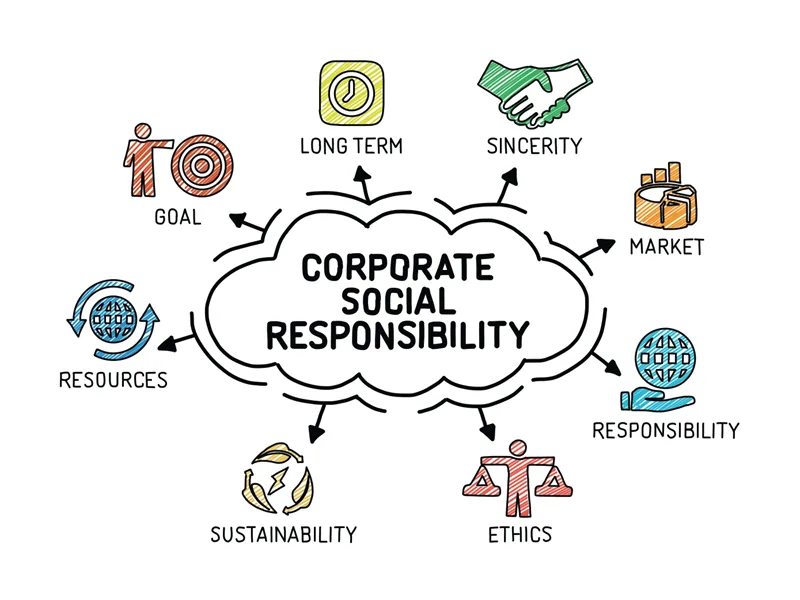
Younger consumers in particular are increasingly making purchases that reflect their values. In addition to producing high-quality goods, brands are now expected to show a dedication to social justice, diversity, and sustainability.
Integrating ethical practices into the core brand narrative is what it means to market with purpose; this is not a one-time campaign, but rather a consistent and quantifiable approach. Socially conscious customers are particularly drawn to stories about community support, supply chain transparency, and environmental impact.
This trend pushes marketers to be strategic and sincere. Since token gestures can backfire, purpose-driven campaigns must be driven by accountability and authenticity.
9. SEO Beyond Google: Optimizing for Multi-Platform Discovery

Even though Google is still the most popular search engine, more and more people are using other sites for their searches, such as Reddit, YouTube, Pinterest, and TikTok. There are important ramifications for SEO tactics from this type of conduct.
For instance, Gen Z users frequently look for product reviews, travel advice, and recipe ideas on TikTok. As a result, brands must consider optimising short videos with pertinent hashtags, captions, and keyword-rich audio in addition to traditional blog-based content.
Visual recognition software, image-based search, and voice assistants are also broadening the scope of SEO. In 2025, search success will be determined by multichannel discoverability.
10. Email Marketing Renaissance: Hyper-Personalization and Automation

Thanks to automation tools and AI-driven personalisation, email marketing—once thought to be outdated—is seeing a resurgence. Email is now being used to deliver timely, relevant, and behavior-based content, not just generic newsletters.
With dynamic segmentation, marketers can customise emails according to user engagement, browsing habits, and past purchases. Automation workflows increase productivity and conversion rates by nurturing leads through the sales funnel with little manual input.
This year, more people will use interactive emails, which turn inboxes into immersive experiences by including surveys, product previews, or countdown timers.
Conclusion: Navigating the Future with Agility and Intention
Following every new trend is no longer the focus of digital marketing; instead, it's about implementing the best tactics that suit your audience's demands and brand values. The aforementioned trends highlight a larger movement towards authenticity, purpose, and personalisation. The mindset of the marketer must change along with technology: from transaction-driven to relationship-focused, from static to interactive, and from wide reach to niche resonance.
Businesses need to stay flexible, test iteratively, and keep learning from data if they want to succeed in this environment. Digital marketers can lead the way into a more human-centric digital future and stay ahead of the curve by remaining informed and purposeful.
Client Background: Stellar Shots Videography is a boutique videography studio specializing in capturing memorable moments through cinematic storytelling. With a team of skilled videographers and editors, Stellar Shots has earned a reputation for delivering high-quality videos for weddings, events, and corporate projects. However, despite its exceptional work, the studio faced challenges in effectively showcasing its portfolio and attracting new clients through its website.
Challenge: As visual storytellers, Stellar Shots understood the importance of captivating content in conveying their brand identity and expertise. However, the studio struggled to translate its creativity and passion into compelling written content for its website. The challenge was to revamp the website's content to better reflect Stellar Shots' brand voice, showcase its portfolio, and attract potential clients.
Solution: The content writing team at Creative Captions collaborated closely with Stellar Shots to craft engaging and persuasive content for its portfolio website. The following strategies were implemented:
Discovery and Brand Voice Development:
Conducted a discovery session to understand Stellar Shots' brand values, target audience, and unique selling points.
Developed a brand voice and tone that aligned with Stellar Shots' creative and professional approach to videography.
Portfolio Showcase:
Highlighted Stellar Shots' portfolio of work through captivating descriptions and storytelling, emphasizing the emotions and narratives captured in each video.
Organized the portfolio into distinct categories, such as weddings, events, and corporate projects, to make it easy for visitors to navigate and explore.
Service Descriptions:
Crafted concise and compelling descriptions of Stellar Shots' videography services, emphasizing the studio's expertise, equipment, and commitment to quality.
Clearly outlined the benefits of hiring Stellar Shots for different types of projects, addressing common client concerns and objectives.
Client Testimonials and Success Stories:
Incorporated testimonials and success stories from satisfied clients to provide social proof and build credibility.
Highlighted specific projects and outcomes to demonstrate Stellar Shots' ability to meet and exceed client expectations.
Results:
Stellar Shots Videography saw a 40% increase in website traffic within the first month of launching the revamped content.
Visitor engagement metrics, including time spent on page and bounce rate, improved significantly, indicating a positive user experience and increased interest in Stellar Shots' services.
The studio received an influx of inquiries and leads from potential clients impressed by the storytelling and professionalism showcased in the website's content.
Stellar Shots' brand perception and credibility received a boost, with existing clients and industry peers praising the website's content and messaging.
Testimonial: "Creative Captions did an amazing job capturing the essence of our videography studio through their writing. The content on our website now perfectly reflects our brand identity and the quality of our work. We've received numerous compliments from clients and prospects, and our business has seen tangible growth as a result."
Emily Lawson, Founder of Stellar Shots Videography
This case study demonstrates how Stellar Shots Videography collaborated with Creative Captions to transform its website's content, effectively showcasing its portfolio and attracting new clients in the competitive videography industry.
Brands must navigate an increasingly complex environment shaped by emerging technologies, changing consumer behaviours, and frequent algorithm updates as the digital landscape continues to change at an…
Brands must navigate an increasingly complex environment shaped by emerging technologies, changing consumer behaviours, and frequent algorithm updates as the digital landscape continues to change at an alarming rate. It is not only beneficial but also necessary to stay ahead of trends in this ever-changing digital landscape. Knowing the direction that digital marketing is taking will help you, whether you’re a startup entrepreneur or an experienced marketer, modify your tactics to appeal to contemporary consumers and produce tangible outcomes. Ten noteworthy trends are set to revolutionise how companies interact, convert, and retain audiences on the internet this year.
1. AI-Powered Marketing: Redefining Efficiency and Personalization
Digital marketing is already heavily reliant on artificial intelligence (AI), which is predicted to grow even more complex and widespread this year. AI is now an everyday tool rather than merely a futuristic idea, as programs like ChatGPT, Midjourney, and Google’s Gemini are revolutionising the way contents are being produced.
Marketers can now automate customer segmentation, create customised content, forecast consumer behaviour, and even optimise ad placements in real time with the aid of AI-driven platforms. Business can now hyper-personalize customer experiences thanks to AI’s capacity to learn from massive datasets. For example, service providers use chatbots to engage with customers around-the-block, and online retailers use AI to suggest products based on browsing history.
With growing concerns about deepfakes, disinformation, and data privacy, the ethical application of AI will also be a hot topic this year. Brands will have a competitive advantage if they strike a balance between innovation, accountability, and transparency.
2. Voice Search Optimization: Preparing for the Audio Revolution
For millions of users, voice search is evolving from an auxiliary feature to their primary method of communication. Optimizing for voice queries has become essential due to the widespread use of mobile voice assistants and smart speakers such as Google NExt and Amazon Echo.
Voice searchers are typically longer and more conversational than traditional text searcehs. Marketers must reconsider their SEO tactics in light of this change. Brands now need to anticipate full-sentence queries and embrace a more organic, question-based content style rather than concentrating only on short keywords.
Furthermore, because users frequently ask for directions, business hours, or nearby services, voice search has a particularly negative impact on companies with physical locations. Businesses can increase discoverability and show up in voice search results by implementing local SEO tactics and structured data.
3. Video-First Content: The Rise of Short-Form and Live Video
Digital engagement metrics on all platforms continue to be dominated by video. Short-form video has become the most popular content format worldwide, thanks to TikTok's explosive growth and YouTube Shorts and Instagram Reels.
The authenticity and immediacy that video provides, in addition to its entertainment value, are what are fuelling this trend. For instance, live streaming enables brands to interact with viewers in real time, fostering transparency and a sense of community. Whether it's product launches, live Q&As, or behind-the-scenes content, live video increases engagement and builds trust.
Influencers and content producers with strong video storytelling skills are being sought after by brands. Successful digital marketers will make video a top priority in their content strategies by 2025 and make investments in production and distribution-simplifying tools.
4. Social Commerce: Blurring the Lines Between Shopping and Socializing
Social commerce, the combination of social media and e-commerce, has completely changed the way that consumers make purchases. Users can find, evaluate, and buy products on platforms like Instagram, Facebook, Pinterest, and TikTok without ever leaving the app thanks to integrated shopping features.
Given that Gen Z and Millennial consumers favour seamless, mobile-first shopping experiences, social commerce is predicted to grow rapidly this year. In order to increase conversions, brands need to rethink product pages and make use of shoppable videos, influencer relationships, and user-generated content.
Additionally, personalised recommendations, virtual try-ons, and chat-based support are made possible by the incorporation of AI into social commerce tools, which improves the online shopping experience and increases customer satisfaction.
5. Privacy-First Marketing: Adapting to a Cookieless World
Delivering personalised experiences without jeopardising user trust is now a challenge for marketers due to the growing scrutiny surrounding data privacy and the phase-out of third-party cookies.
As a result, first-party data, which is gathered straight from customers via owned channels, is becoming increasingly valuable. In order to obtain insights and stay in compliance with laws like the CCPA and GDPR, brands are investing in Customer Data Platforms (CDPs) and privacy-centric analytics tools.
Transparency and consent-based marketing will emerge as crucial differentiators. Stronger bonds and enduring loyalty will result from brands that are transparent about data usage and give consumers control over their personal data.
6. Influencer Marketing 2.0: From Celebrities to Micro-Communities
A more genuine and focused strategy is replacing the gaudy, celebrity-driven model of influencer marketing. Consumers of today place a higher value on relatability and trust than followers. As a result, many brands are seeing higher returns on investment from micro and nano influencers, who have smaller but very engaged audiences.
Influencer collaborations in 2025 will prioritise enduring connections, content co-creation, and specialised communities. In recognition that real voices can have a greater impact than well-crafted campaigns, brands are also embracing user-generated content and employee advocacy.
It will take more than vanity metrics to assess influencer success. Effective collaborations will be measured by engagement rate, content quality, and brand value alignment.
7. Interactive Content and Gamification: Boosting Engagement Through Experience
There is a decline in passive consumption. Audiences today are hungry for interaction. In order to maintain user interest, engaging content—from surveys and quizzes to interactive infographics and augmented reality filters—is becoming crucial.
Across industries, gamification—the application of game mechanics to non-gaming contexts—is being used successfully to increase customer loyalty, engagement, and retention. Gamified experiences are being used by banks, educational institutions, and fitness applications to promote desired behaviours.
In order to improve data collection through voluntary user actions and strengthen audience connections, digital marketers need to investigate how to incorporate interactivity into their campaigns.
8. Sustainability and Social Responsibility: Marketing With Purpose
Younger consumers in particular are increasingly making purchases that reflect their values. In addition to producing high-quality goods, brands are now expected to show a dedication to social justice, diversity, and sustainability.
Integrating ethical practices into the core brand narrative is what it means to market with purpose; this is not a one-time campaign, but rather a consistent and quantifiable approach. Socially conscious customers are particularly drawn to stories about community support, supply chain transparency, and environmental impact.
This trend pushes marketers to be strategic and sincere. Since token gestures can backfire, purpose-driven campaigns must be driven by accountability and authenticity.
9. SEO Beyond Google: Optimizing for Multi-Platform Discovery
Even though Google is still the most popular search engine, more and more people are using other sites for their searches, such as Reddit, YouTube, Pinterest, and TikTok. There are important ramifications for SEO tactics from this type of conduct.
For instance, Gen Z users frequently look for product reviews, travel advice, and recipe ideas on TikTok. As a result, brands must consider optimising short videos with pertinent hashtags, captions, and keyword-rich audio in addition to traditional blog-based content.
Visual recognition software, image-based search, and voice assistants are also broadening the scope of SEO. In 2025, search success will be determined by multichannel discoverability.
10. Email Marketing Renaissance: Hyper-Personalization and Automation
Thanks to automation tools and AI-driven personalisation, email marketing—once thought to be outdated—is seeing a resurgence. Email is now being used to deliver timely, relevant, and behavior-based content, not just generic newsletters.
With dynamic segmentation, marketers can customise emails according to user engagement, browsing habits, and past purchases. Automation workflows increase productivity and conversion rates by nurturing leads through the sales funnel with little manual input.
This year, more people will use interactive emails, which turn inboxes into immersive experiences by including surveys, product previews, or countdown timers.
Conclusion: Navigating the Future with Agility and Intention
Following every new trend is no longer the focus of digital marketing; instead, it's about implementing the best tactics that suit your audience's demands and brand values. The aforementioned trends highlight a larger movement towards authenticity, purpose, and personalisation. The mindset of the marketer must change along with technology: from transaction-driven to relationship-focused, from static to interactive, and from wide reach to niche resonance.
Businesses need to stay flexible, test iteratively, and keep learning from data if they want to succeed in this environment. Digital marketers can lead the way into a more human-centric digital future and stay ahead of the curve by remaining informed and purposeful.
Keep Reading
More From Our Blog
Fresh insights on SEO, ads, content and growth from the Mr. Radiant team
Keep Reading
More From Our Blog
Fresh insights on SEO, ads, content and growth from the Mr. Radiant team
Keep Reading
More From Our Blog
Fresh insights on SEO, ads, content and growth from the Mr. Radiant team